The Process of Developing Effective Coaching Programs
As retirement lifestyle clubs evolve, the need for tailored coaching programs becomes increasingly important. These programs can foster community building, enhance personal growth, and provide enjoyable offline events, such as dance-based activities. This article delves into the essential steps and considerations for creating effective coaching programs that benefit all members.
Understanding the Fundamentals
Developing an effective coaching program requires a clear understanding of the objectives and the needs of the target audience. According to industry experts, a successful program typically starts with a thorough assessment of participants' goals, interests, and challenges. This helps in tailoring content that resonates with their experiences and enhances engagement.
"Research indicates that personalization in coaching can lead to a 30% increase in participant satisfaction."
Key Steps in the Development Process
Creating a coaching program often involves several methodical steps:
- Conduct a Needs Assessment: Utilize surveys or interviews to gather insights about the interests and aspirations of club members. This helps in forming the foundation of your program.
- Define Clear Objectives: Establish specific, measurable goals that you want to achieve through the coaching program. These may include improving fitness levels, increasing social interactions, or enhancing skill sets.
- Develop Structured Content: Create a curriculum that addresses the identified needs and objectives. This should include a mix of theoretical knowledge and practical applications, such as dance techniques or group dynamics.
- Incorporate Feedback Mechanisms: Implement ways to gather participant feedback during and after sessions. This iterative approach can help refine the program and ensure it remains relevant.
Implementation and Engagement Strategies
Once the program is developed, focus on implementation and maintaining engagement:
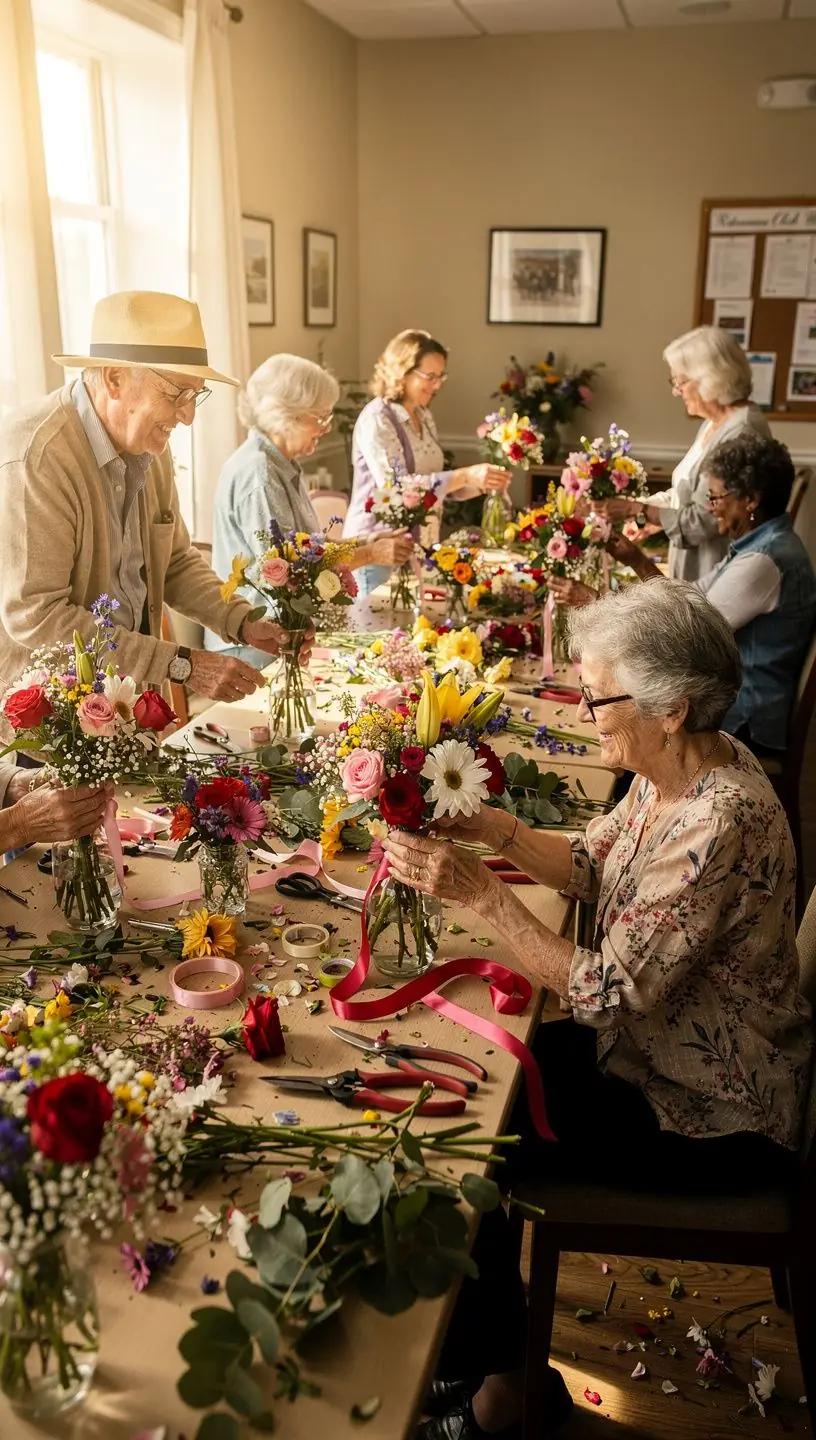
- Facilitate Interactive Sessions: Often, participants engage more deeply when they are actively involved. Consider using workshops, group discussions, or hands-on dance sessions to foster interaction.
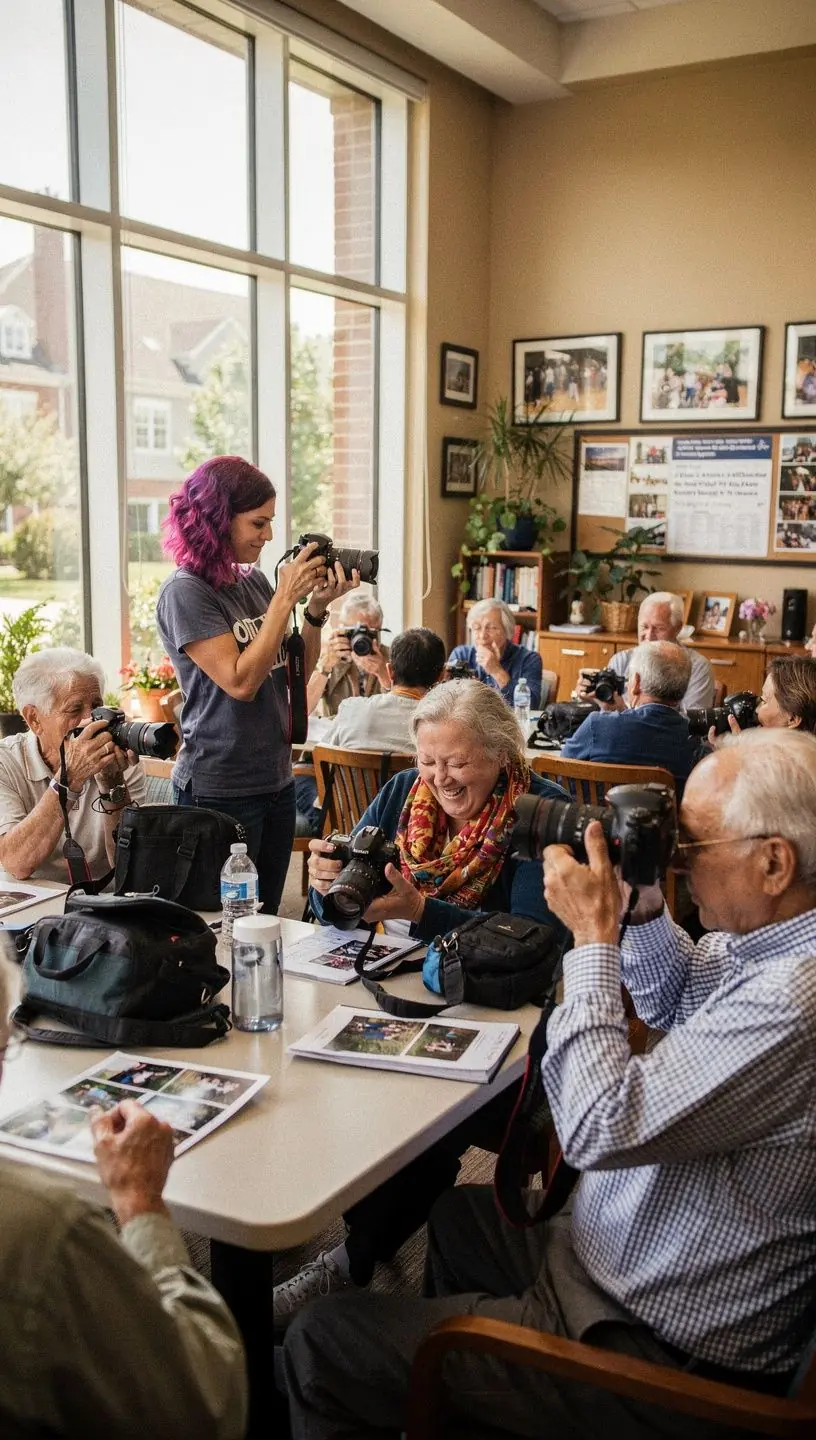
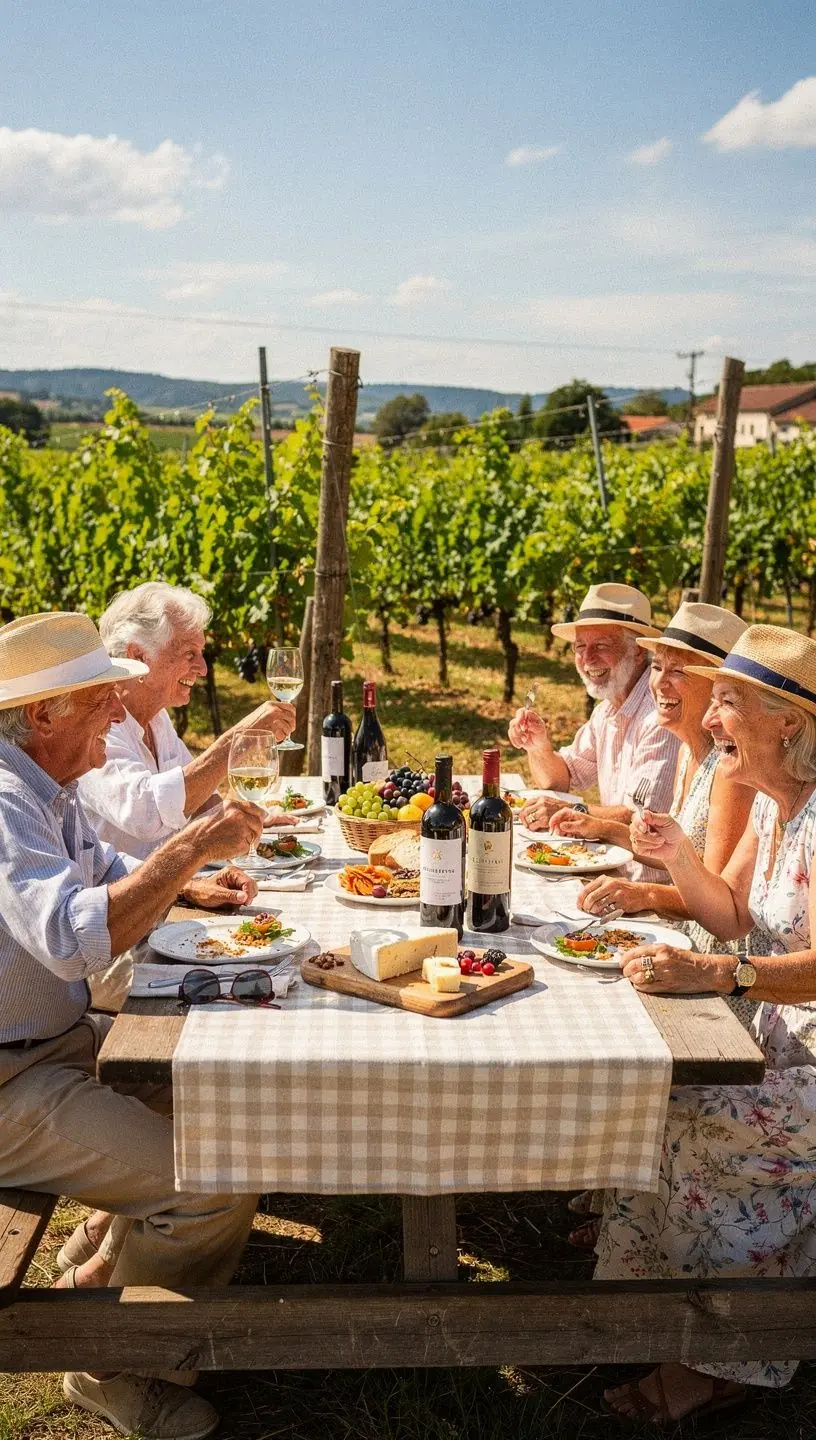
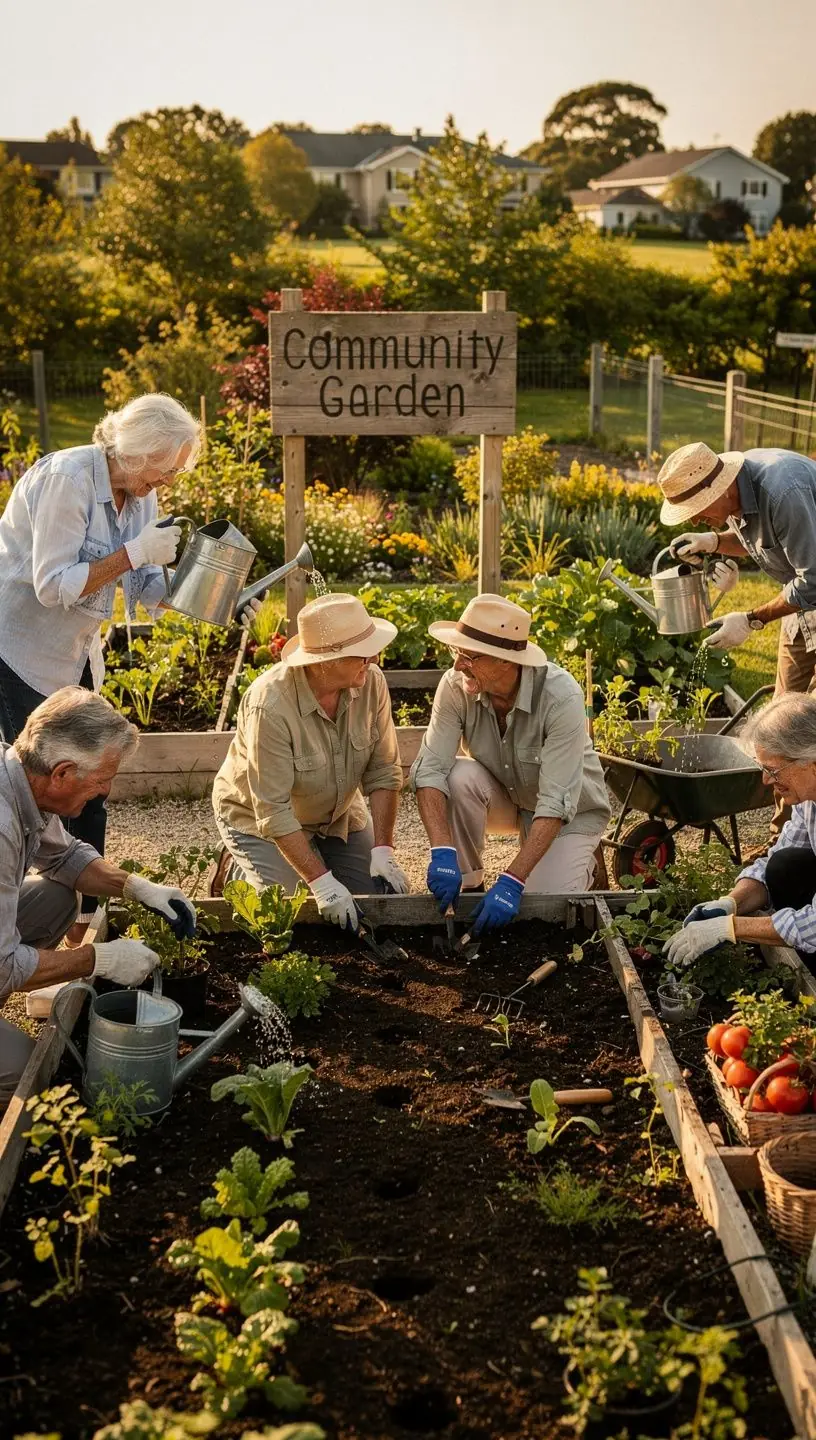
- Encourage Community Building: Create opportunities for members to connect outside of formal coaching sessions. This can be achieved through social events, themed gatherings, or collaborative projects.
- Monitor Progress and Adapt: Regularly assess the effectiveness of the program by tracking participant progress against the defined objectives. Adjustments may be necessary to address changing needs or unforeseen challenges.
Conclusion
In conclusion, developing an effective coaching program for retirement lifestyle clubs is a thoughtful process that involves understanding participants' needs, setting clear objectives, and fostering a vibrant community. By following these steps and maintaining flexibility, clubs can create engaging programs that not only enhance personal development but also build strong communal ties. Remember, the key to success lies in continuous improvement through feedback and adaptation.
Learn More