Understanding the Role of Community in Retirement Clubs
Retirement can be a significant transition, and many individuals seek ways to maintain a fulfilling lifestyle. One effective method is through joining retirement lifestyle clubs, which often emphasize the importance of community, coaching, and engaging activities such as dance. This article explores the vital role of community in these clubs and how it can improve the quality of life for retirees.
The Importance of Community
Community plays a crucial role in the overall well-being of retirees. According to research from the National Institute on Aging, having a strong social network can reduce feelings of loneliness and improve mental health. Experts recommend that being part of a community can provide emotional support, foster friendships, and encourage participation in communal activities.

"Engaging with others can lead to a sense of belonging and purpose, which is essential for mental health in retirement." — Dr. Susan Harris, gerontologist.
How Community Enhances the Retirement Experience
Membership in retirement clubs typically offers numerous benefits from community interactions. Here are some of the key ways community enhances the retirement experience:
- Social Engagement: Regular interactions with peers can lead to lasting friendships and reduce feelings of isolation. Many users report that attending communal events helps them feel more connected.
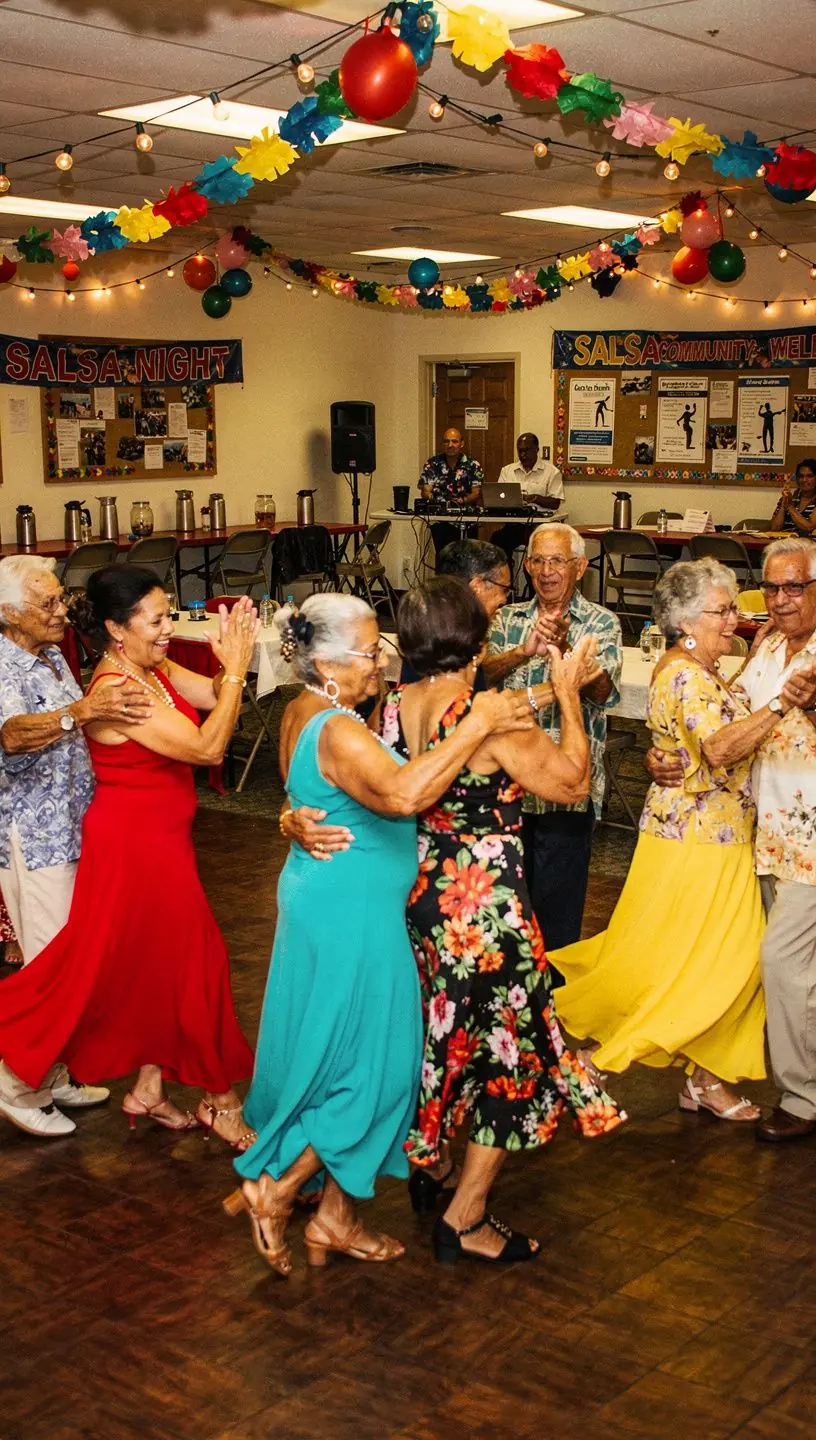
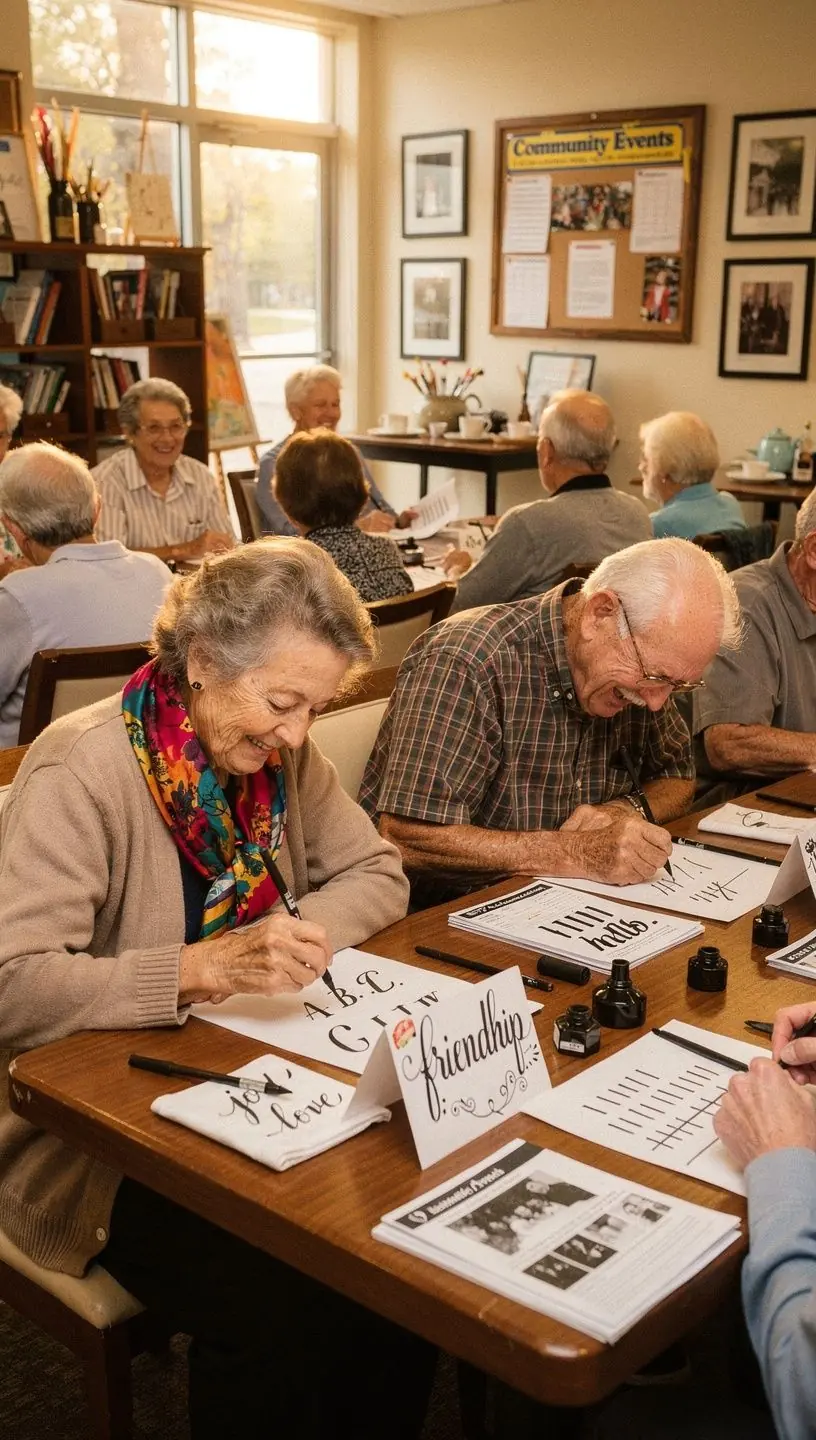
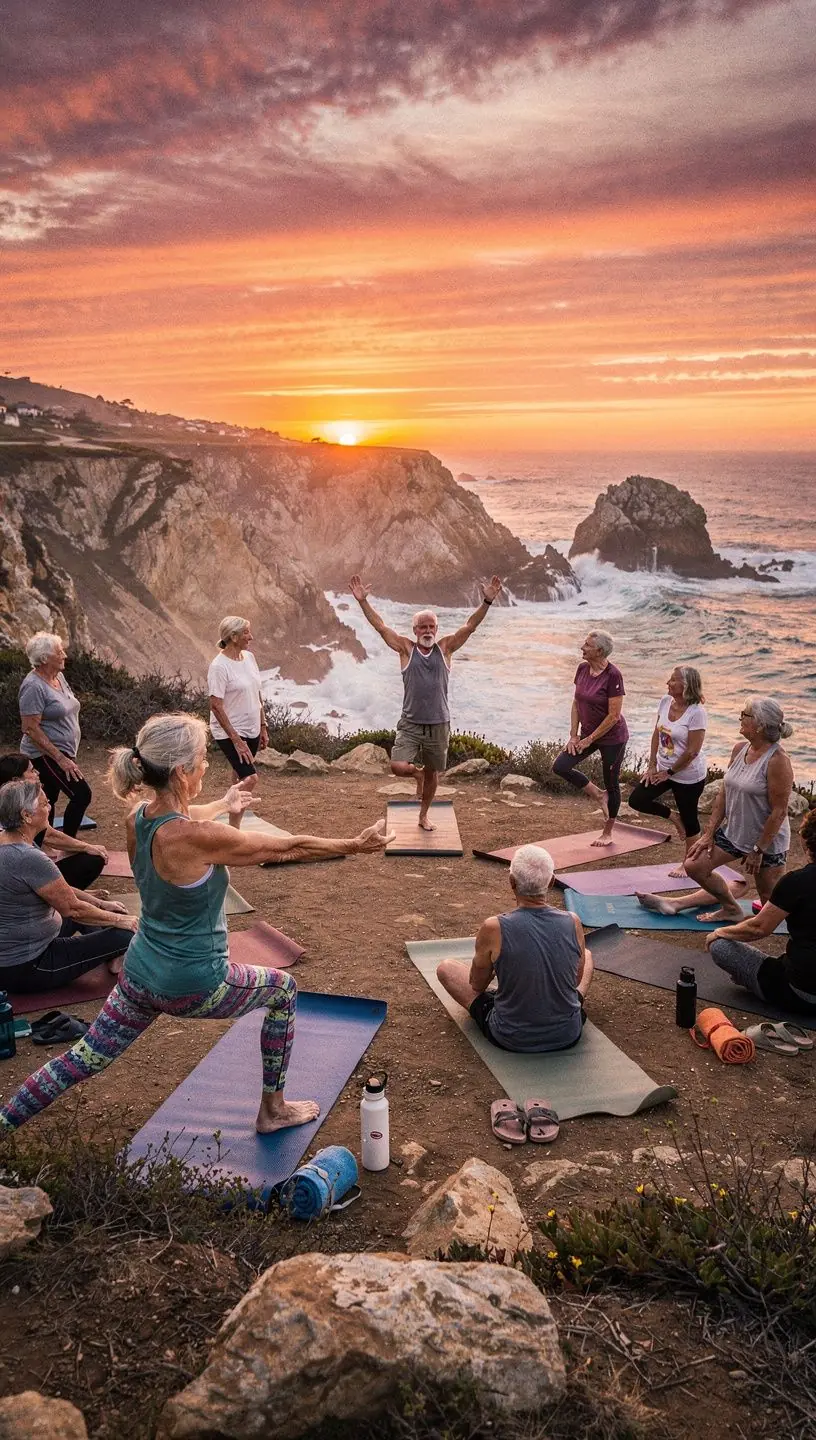
- Shared Activities: Clubs often organize group activities such as dance classes, workshops, and outings. These shared experiences promote camaraderie and can improve overall physical and mental health.
- Support Systems: A strong community creates a reliable support system. In most cases, members find it easier to discuss challenges and share resources, leading to enhanced coping strategies.
Building Community in Retirement Clubs
Creating a vibrant community is not an overnight process; it requires effort and commitment. Consider these approaches to foster community within retirement clubs:
- Regular Events: Schedule frequent gatherings such as dance nights, potlucks, or workshops. This creates opportunities for interaction and strengthens bonds.
- Encouragement of Participation: Encourage members to take part in event planning and execution. This involvement can deepen their connection to the club.
- Coaching and Mentorship: Offer coaching sessions that help members develop new skills or hobbies. This not only fosters growth but creates a platform for shared learning.
Challenges and Considerations
While the benefits of community are significant, acknowledging potential challenges is also essential. Building a strong community typically takes time and requires:
- Dedication: Members must be willing to invest time and energy into attending events and engaging with others.
- Openness: Building trust takes time; not everyone may feel comfortable immediately. It's important to foster an inclusive environment.
- Diverse Interests: Clubs should accommodate various interests and preferences, as not all members will be drawn to the same activities.
Conclusion
Community plays a pivotal role in retirement lifestyle clubs, enriching the experiences of members in various ways. By fostering social engagement, offering shared activities, and establishing support systems, these clubs can significantly enhance the quality of life for retirees. While building a community requires time and effort, the potential benefits for mental and emotional well-being are profound. Joining a retirement club can be a positive step toward a fulfilling retirement, where individuals can connect, learn, and thrive in their golden years.
Learn More