The Importance of Offline Events for Seniors
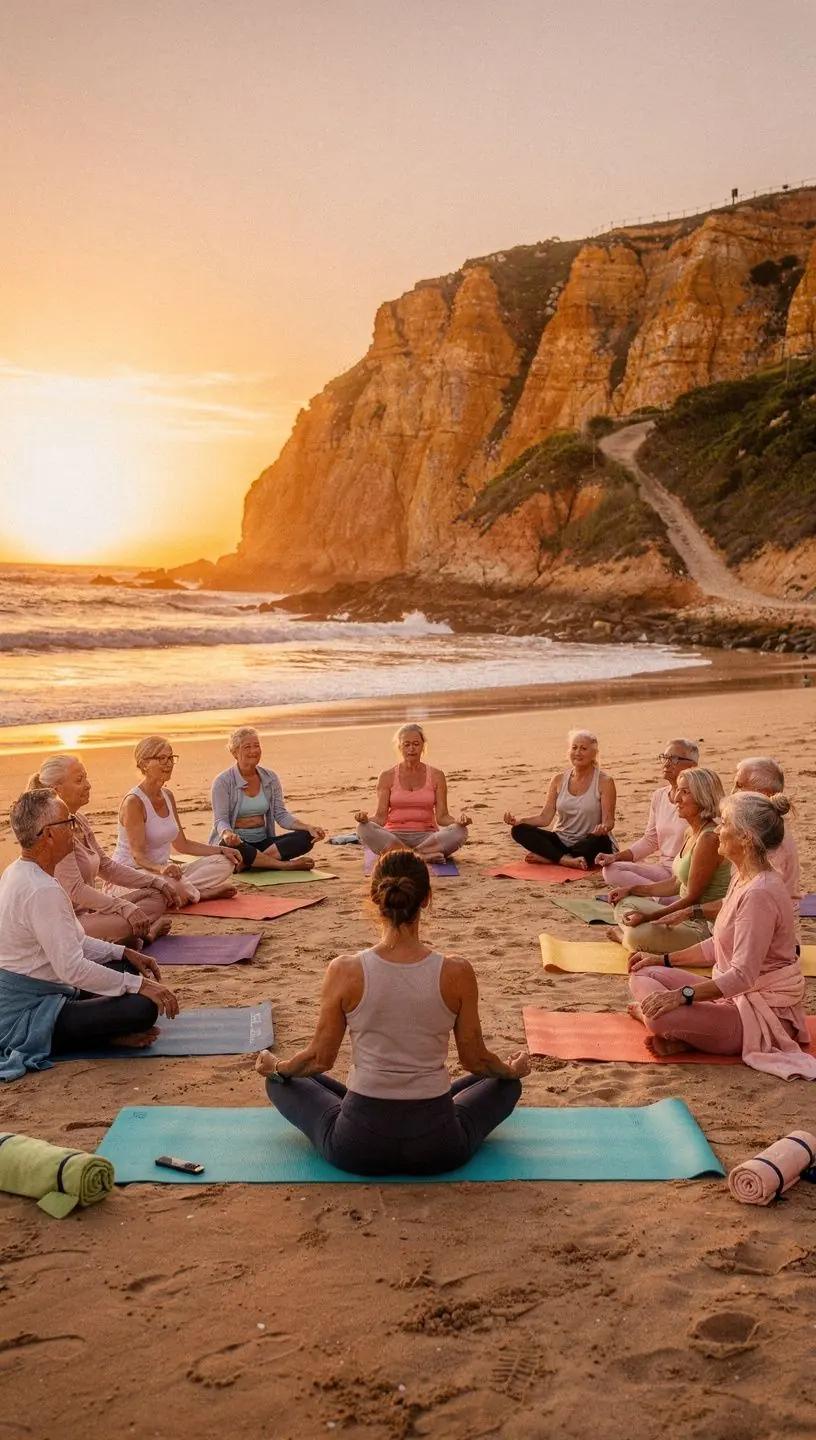
In an increasingly digital world, offline events are crucial for seniors seeking to maintain connection and enhance their quality of life. These gatherings offer unique opportunities for social engagement, physical activity, and community building.
Why Offline Events Matter
According to research conducted by the National Institute on Aging, social interaction is key to healthy aging. Offline events provide a platform for seniors to engage with their peers, fostering relationships that can lead to improved mental health and emotional well-being.
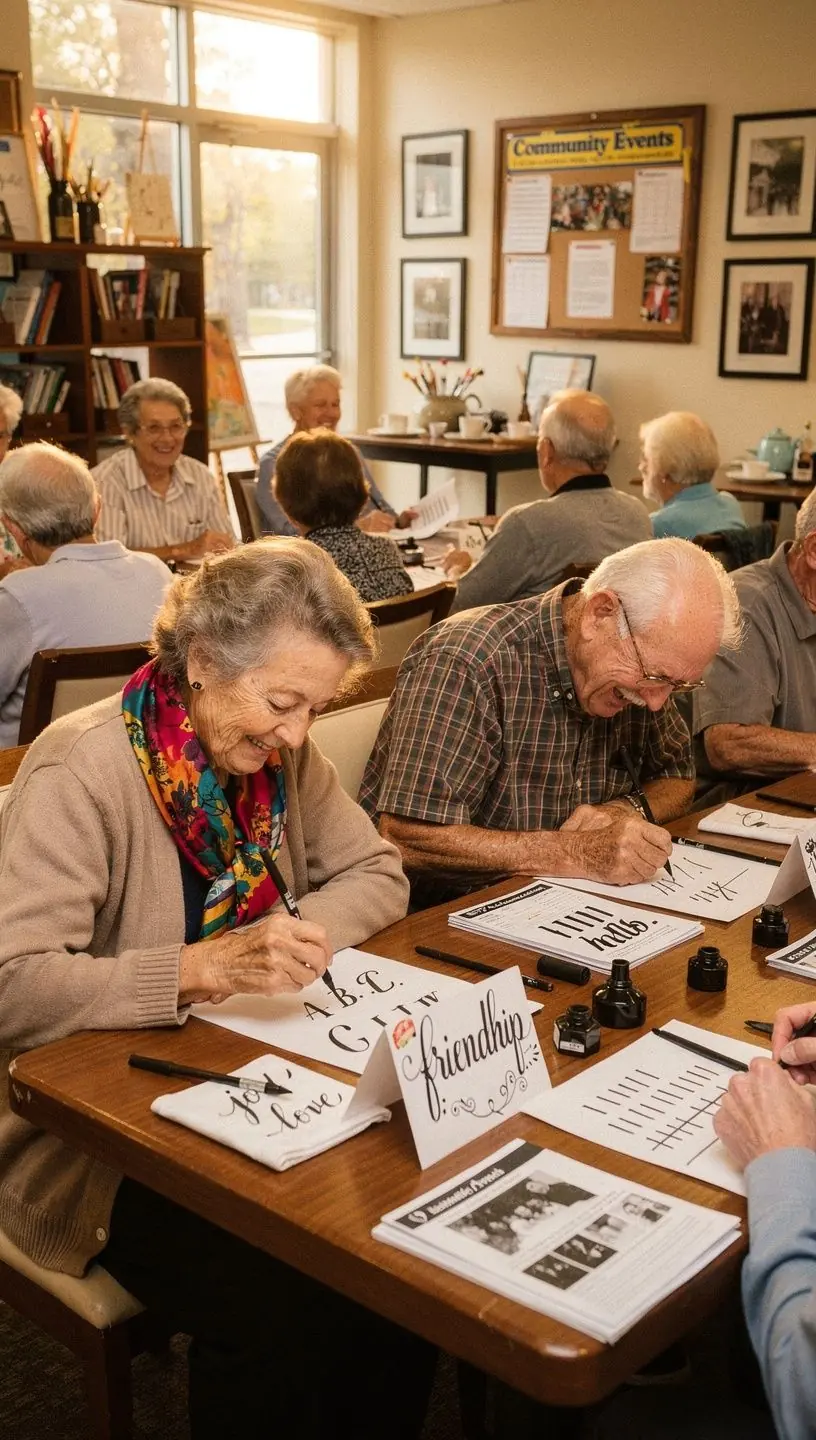
"Social connections are vital for maintaining cognitive function and emotional resilience in older adults." - National Institute on Aging
Benefits of Offline Events
- Enhanced Social Connections: Regular participation in community-based events can lead to stronger friendships and a sense of belonging. Many users report feeling more fulfilled when they engage in face-to-face interactions.
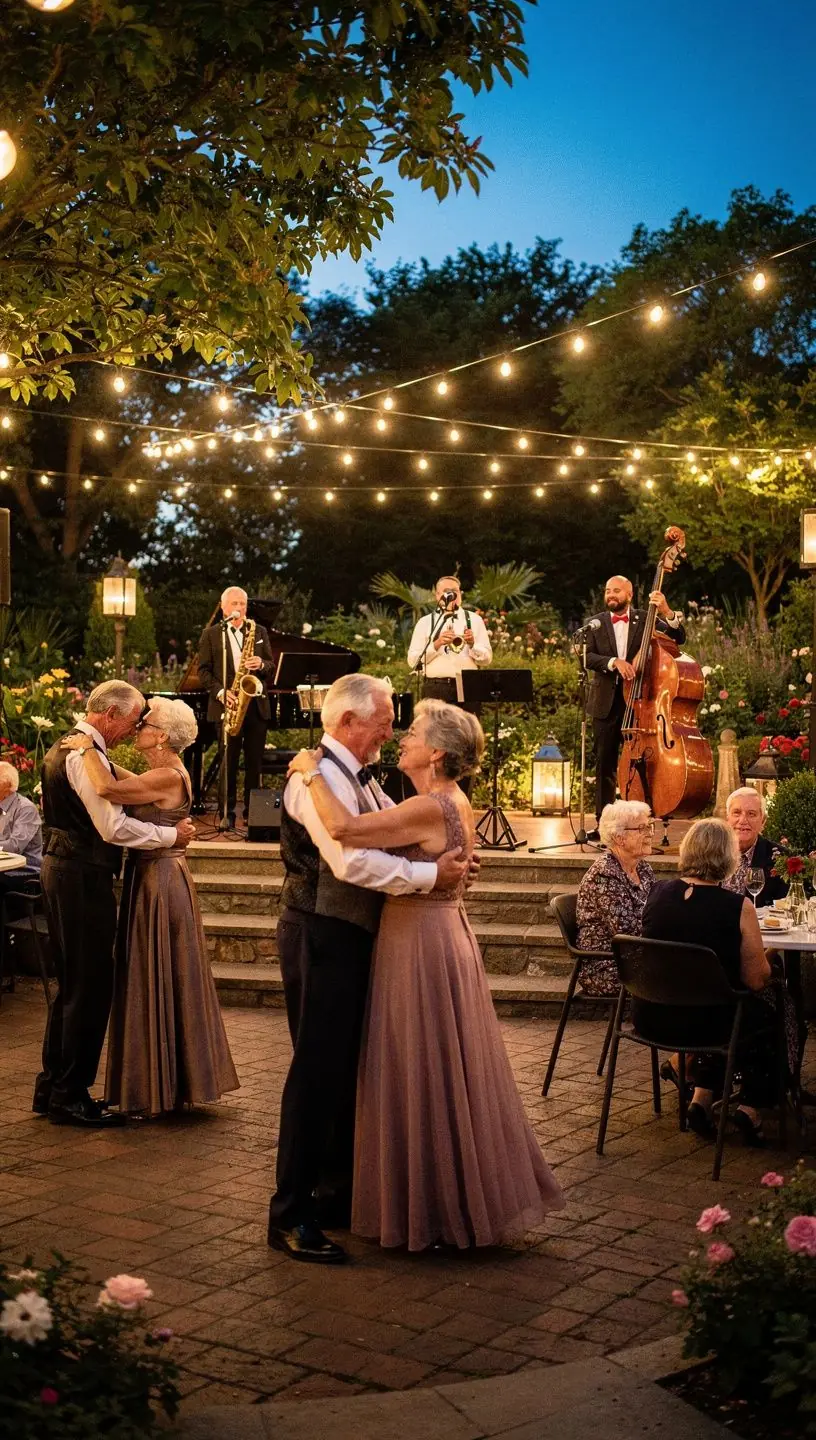
- Physical Activity: Dance-based events, for example, not only provide entertainment but also promote physical health. Studies show that engaging in regular physical activities can reduce the risk of chronic diseases in older adults.
- Improved Mental Health: Engaging in offline social events can combat feelings of loneliness and isolation. Research indicates that seniors who actively participate in community activities often experience lower levels of depression.
How Offline Events Facilitate Community Building
Experts recommend that communities create opportunities for seniors to gather, share experiences, and support one another. Offline events allow for spontaneous interactions that can lead to deeper relationships and a more supportive social network.
Creating Meaningful Connections
Events such as dance classes or community gardening not only encourage participation but also help establish trust among participants. This works because shared experiences often promote empathy and understanding, key components in building a solid community.
Challenges and Considerations
While the benefits of offline events are substantial, it's essential to acknowledge that organizing such activities can require time and effort. For instance, a well-planned event typically needs 2-4 weeks of preparation to ensure that all logistical details are in place, from venue selection to participant invitations.
Setting Realistic Expectations
It's important for organizers to clarify what participants can expect from these events. For example, while dance activities can significantly improve physical health, they may also involve a learning curve for those new to the experience. Thus, a gradual introduction to the activity is recommended.
Conclusion
In summary, offline events play a crucial role in enhancing the retirement lifestyle for seniors. They not only facilitate social connections and physical activity but also contribute to a supportive community environment. By prioritizing these gatherings, we can help older adults lead healthier, more fulfilling lives.