Navigating Conflict in Retirement Lifestyle Communities
Retirement lifestyle communities often serve as vibrant hubs for social interaction and community building. However, conflicts can arise among residents due to differing values, lifestyles, or expectations. Understanding how to navigate these conflicts effectively is crucial for maintaining a harmonious environment.
Understanding the Basics
Conflicts in retirement communities can stem from various factors, including communication styles, cultural differences, and personal preferences. According to research by the American Psychological Association, effective communication is essential not just for conflict resolution but also for fostering a supportive community atmosphere. Residents often report that misunderstandings can escalate if not addressed promptly and respectfully.
"Conflicts are inevitable, but how we handle them can define our community's character." - Community Management Expert
Common Sources of Conflict
- Miscommunication: Differing assumptions about shared responsibilities can lead to friction.
- Personality Clashes: Varied personalities and lifestyles may create boundaries that some residents find difficult to respect.
- Resource Allocation: Disagreements over shared facilities or resources, such as communal spaces or scheduled events, are common.
Effective Conflict Resolution Strategies
Here are some effective strategies to help navigate conflicts within retirement lifestyle communities:
- Encourage Open Dialogue: Create an open forum where residents feel safe to express their concerns. Research suggests that open communication leads to greater understanding and cooperation.
- Establish Clear Guidelines: Developing community guidelines can help set expectations for behavior and conflict resolution processes. Many experts recommend having a clear, accessible resource for residents to refer to.
- Seek Mediation: In cases where conflicts escalate, a neutral third-party mediator can facilitate discussions. Studies indicate that mediation can often lead to satisfactory resolutions for all parties involved.
Building a Supportive Community Environment
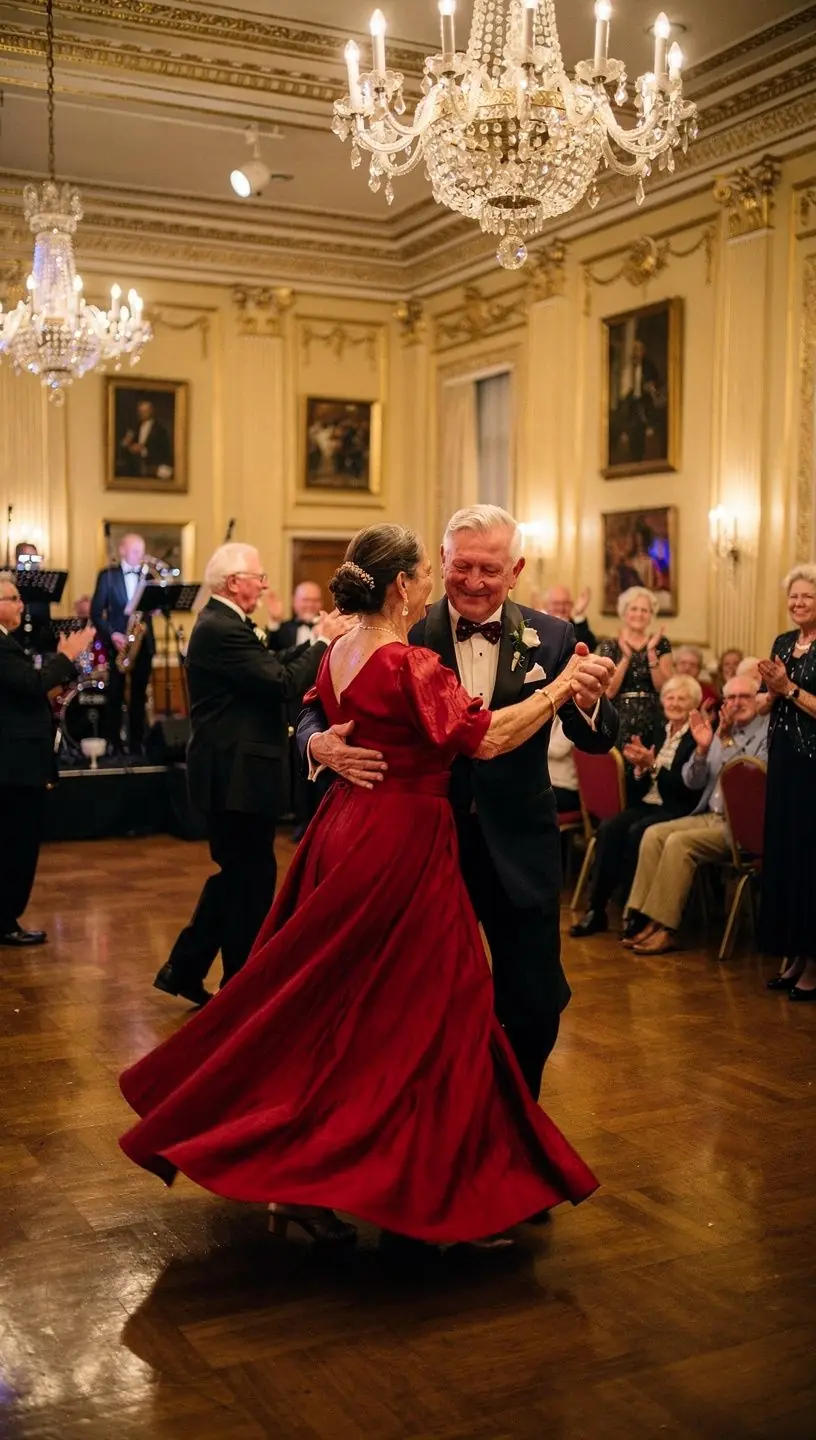
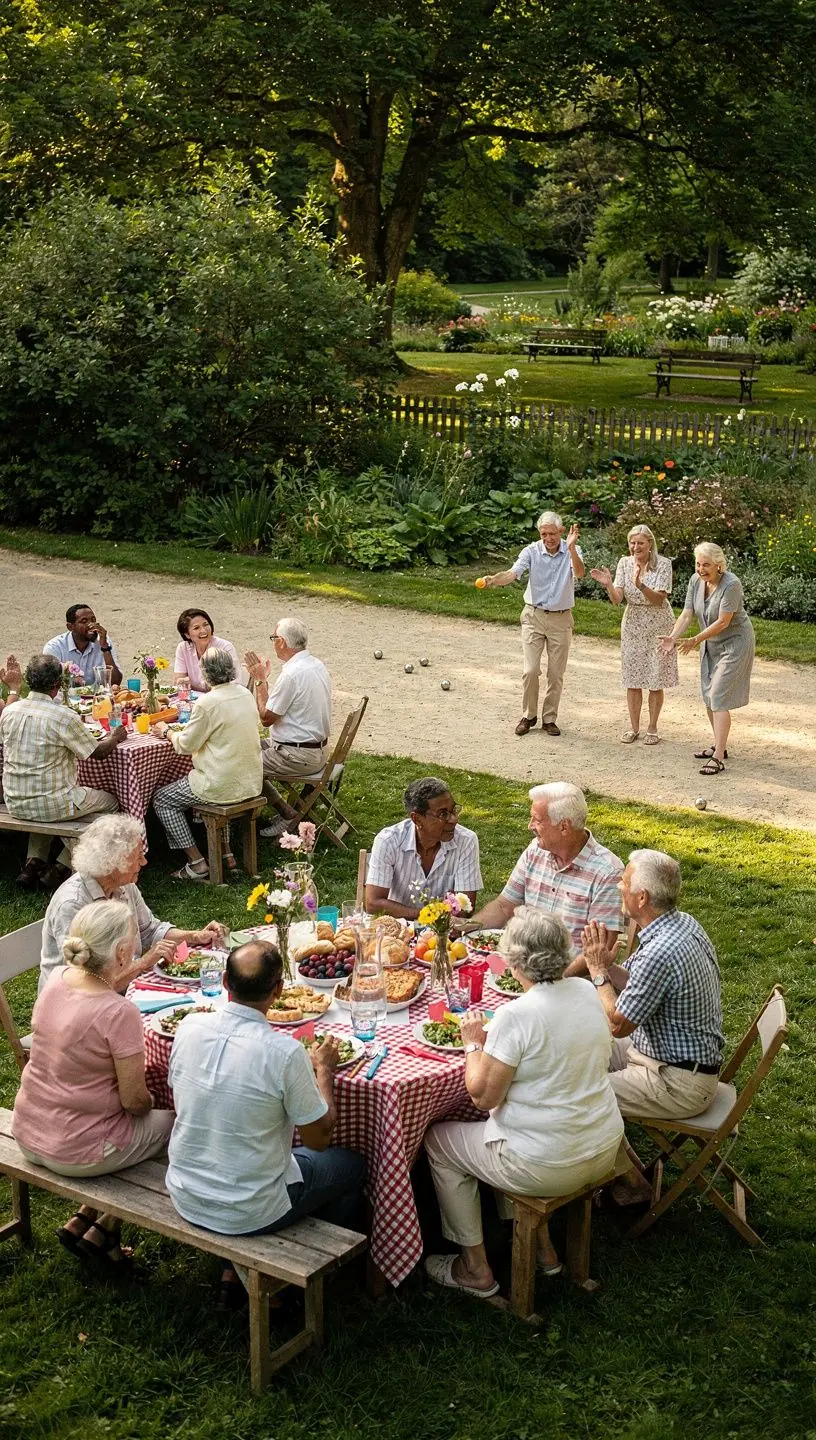
Fostering a sense of community is essential in mitigating conflicts. Incorporating regular group activities, such as dance events, can enhance interpersonal relationships. According to the Journal of Aging and Physical Activity, social activities promote not only physical health but also emotional well-being, which may reduce the likelihood of conflicts arising.
Conclusion
Navigating conflict in retirement lifestyle communities requires patience, understanding, and effective communication. While conflicts may arise, the way they are addressed can significantly influence the community's overall atmosphere. By implementing open dialogue, establishing guidelines, and fostering supportive interactions through shared activities, residents can enhance their living experience together.